Ingredients for 4 servings
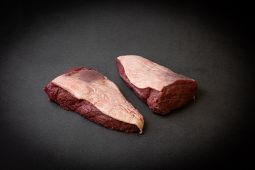
800 g venison picanha (rump cap)
3 tbsp butter
1 organic lemon (juice and zest)
3 sprigs fresh thyme
400 g white asparagus
200 g green asparagus
100 g fresh spinach
1 bunch parsley
1 tbsp olive oil
1 tbsp white wine vinegar
Salt and pepper
Preparation
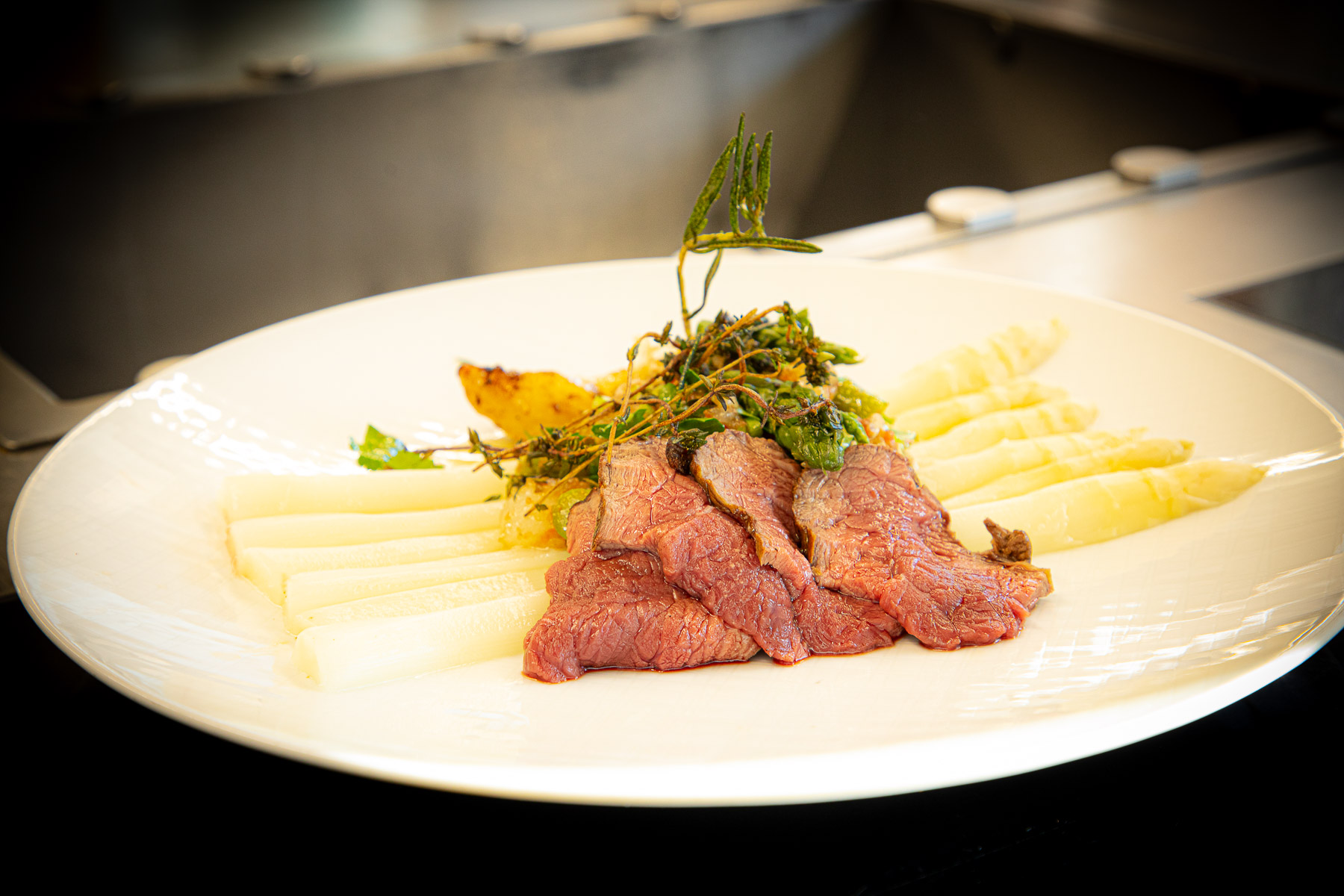
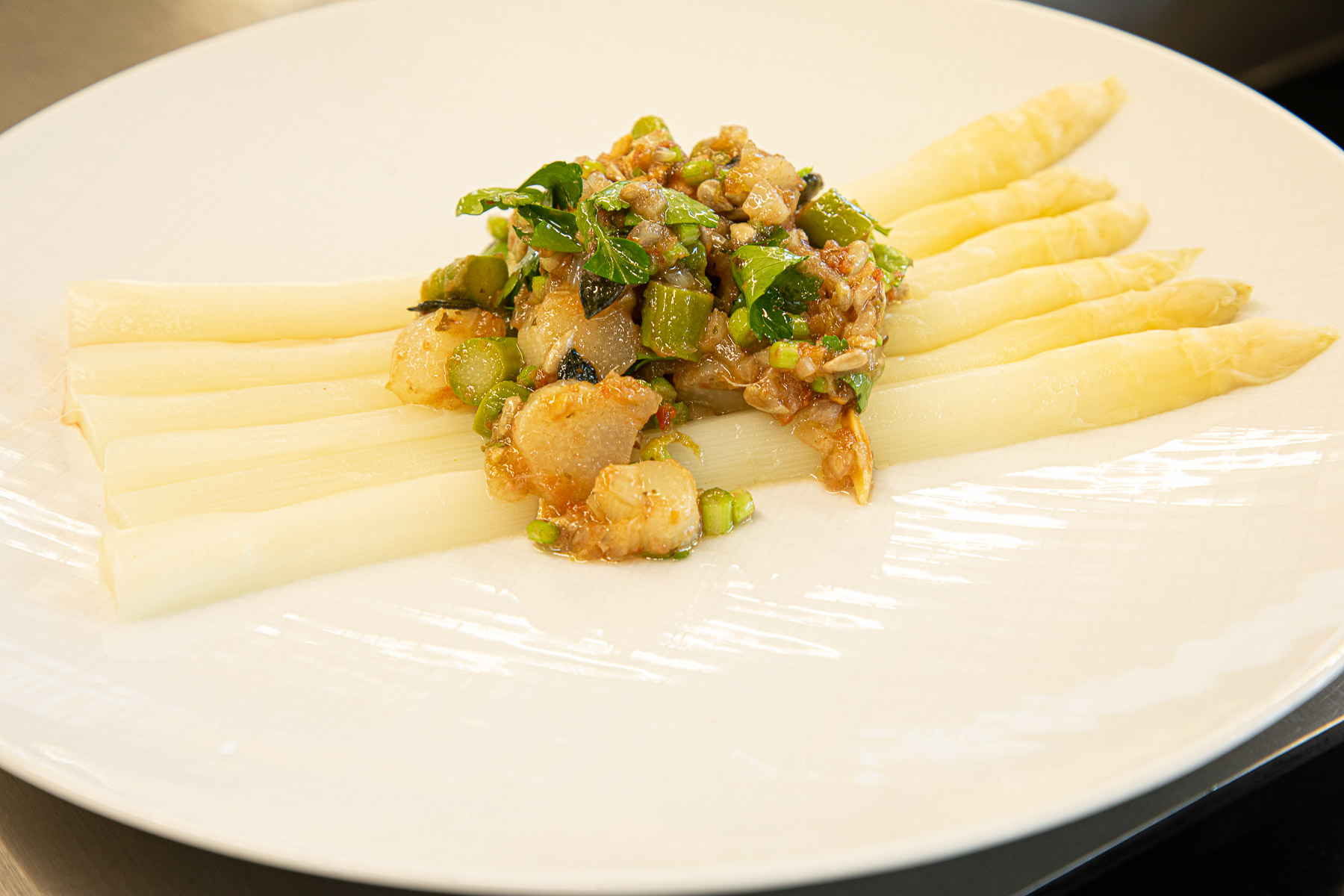
Prepare and steam the asparagus: Peel the white asparagus and trim off the woody ends. Steam in a steamer or a pot with a steaming insert for about 10-12 minutes until tender but still slightly firm. Keep warm.
Prepare the asparagus salad:
Wash and roughly chop the spinach. Finely chop the parsley and place both in a large bowl. Cut the white and green asparagus into pieces and mix together.
Prepare the vinaigrette:
Whisk together olive oil, white wine vinegar, lemon juice (from half the lemon), salt, and pepper. Pour over the asparagus salad and gently toss.
Cook the venison picanha:
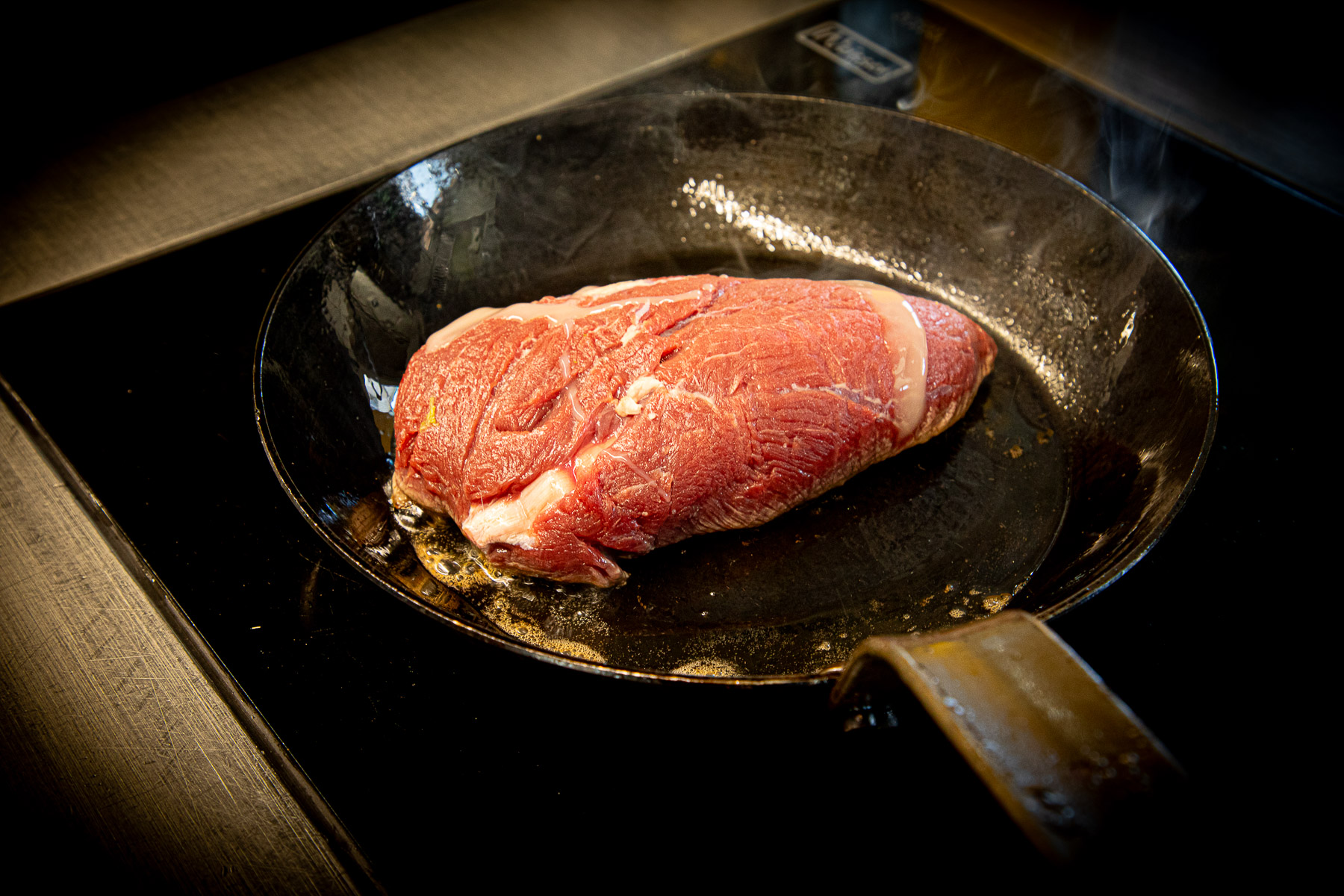
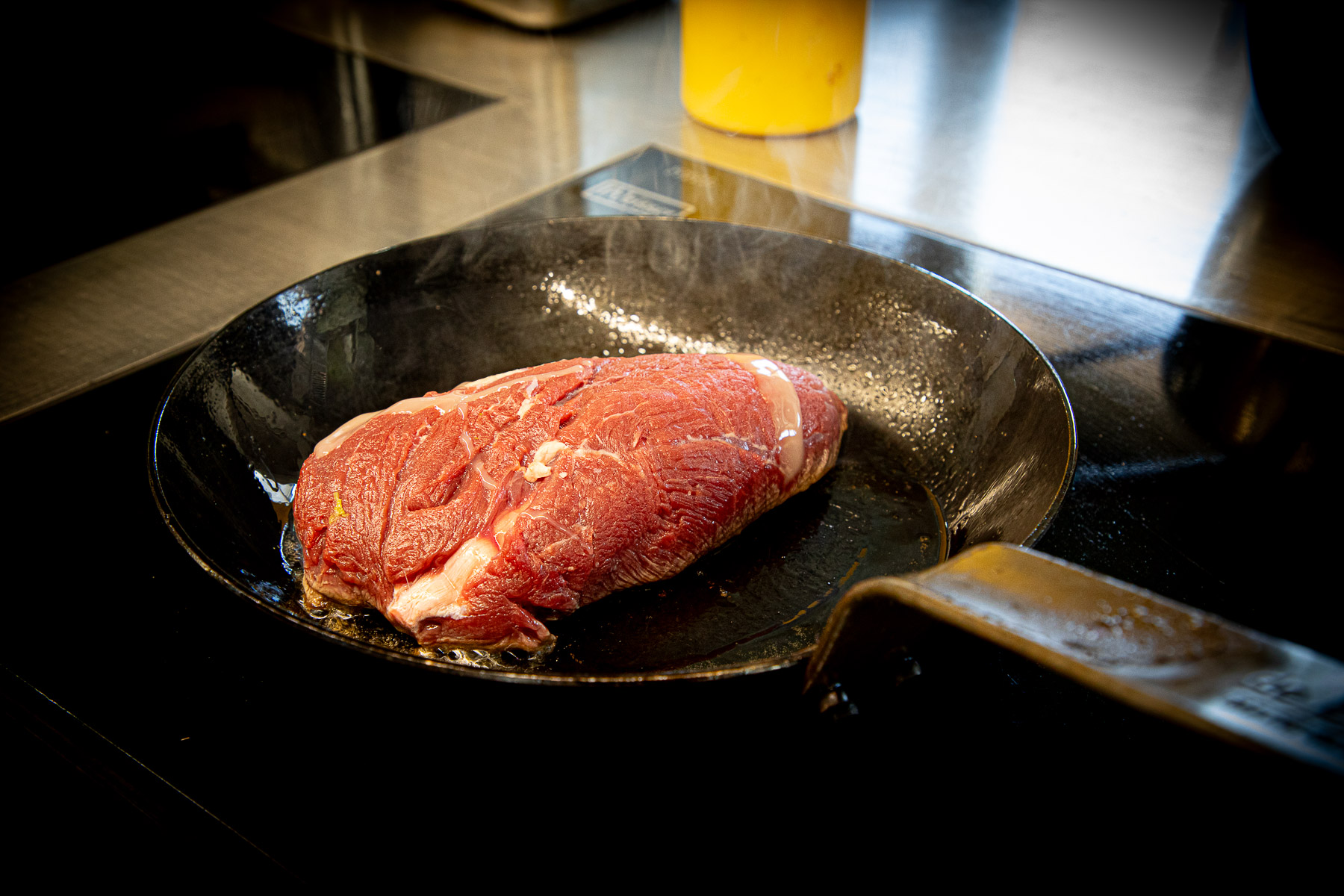
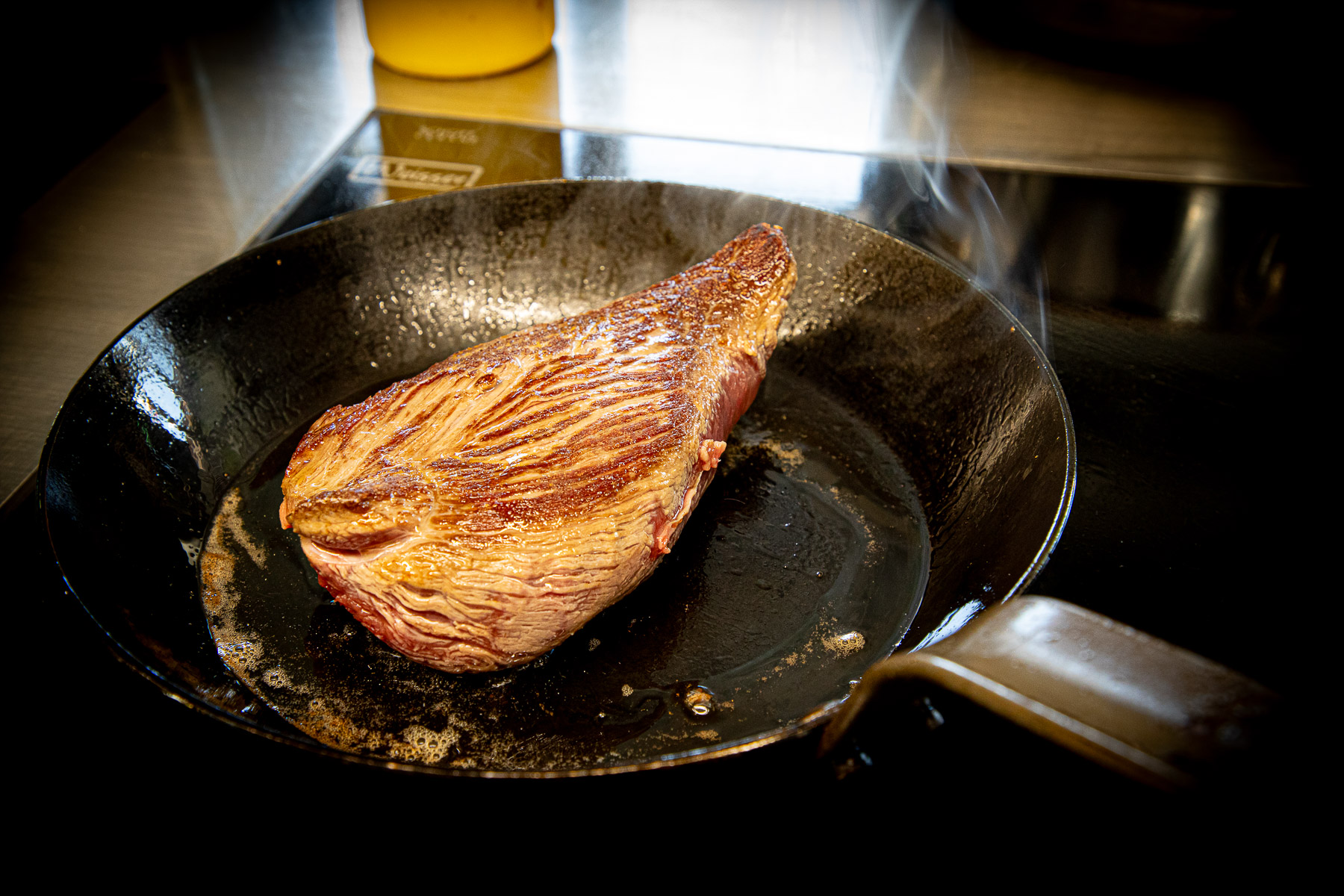
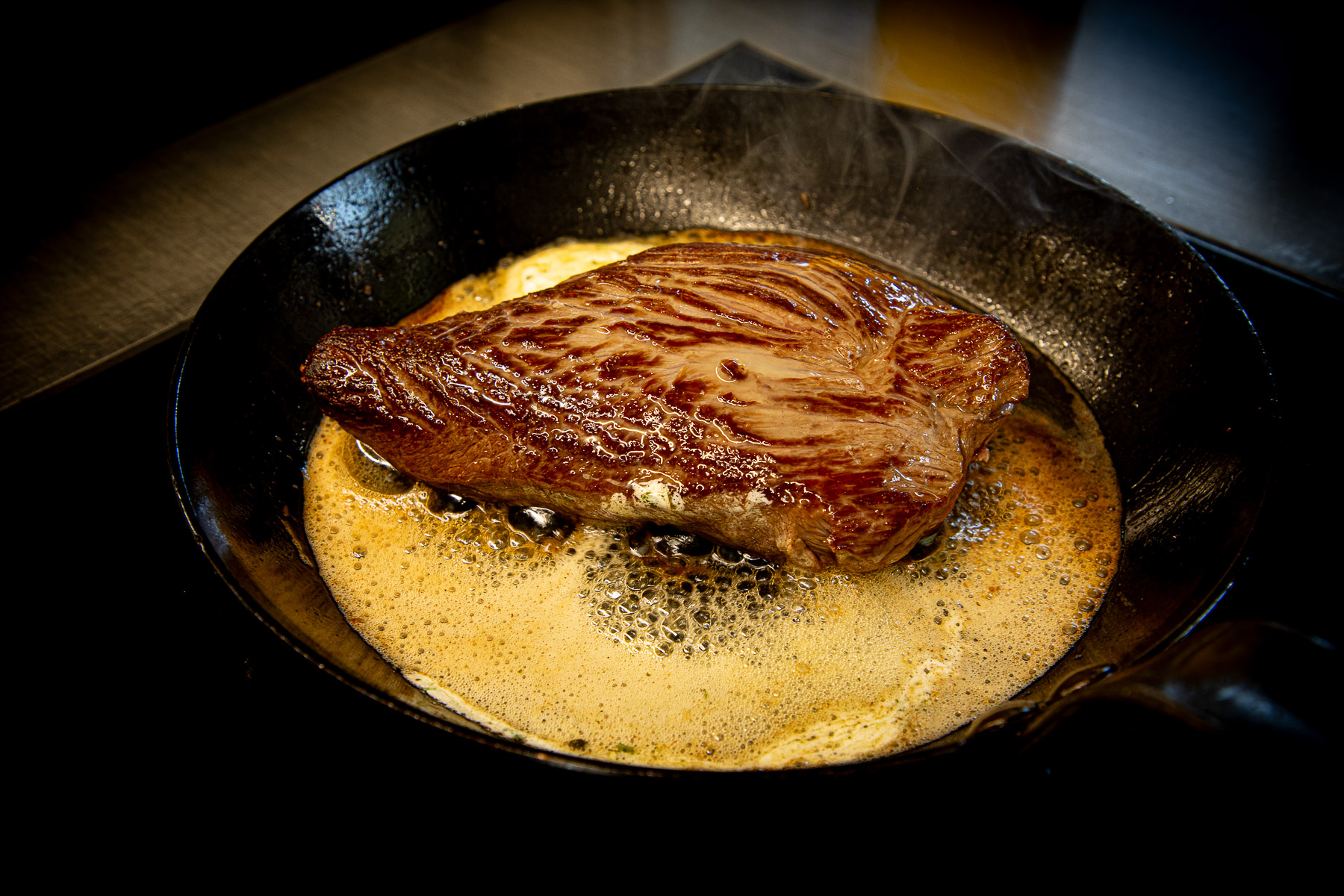
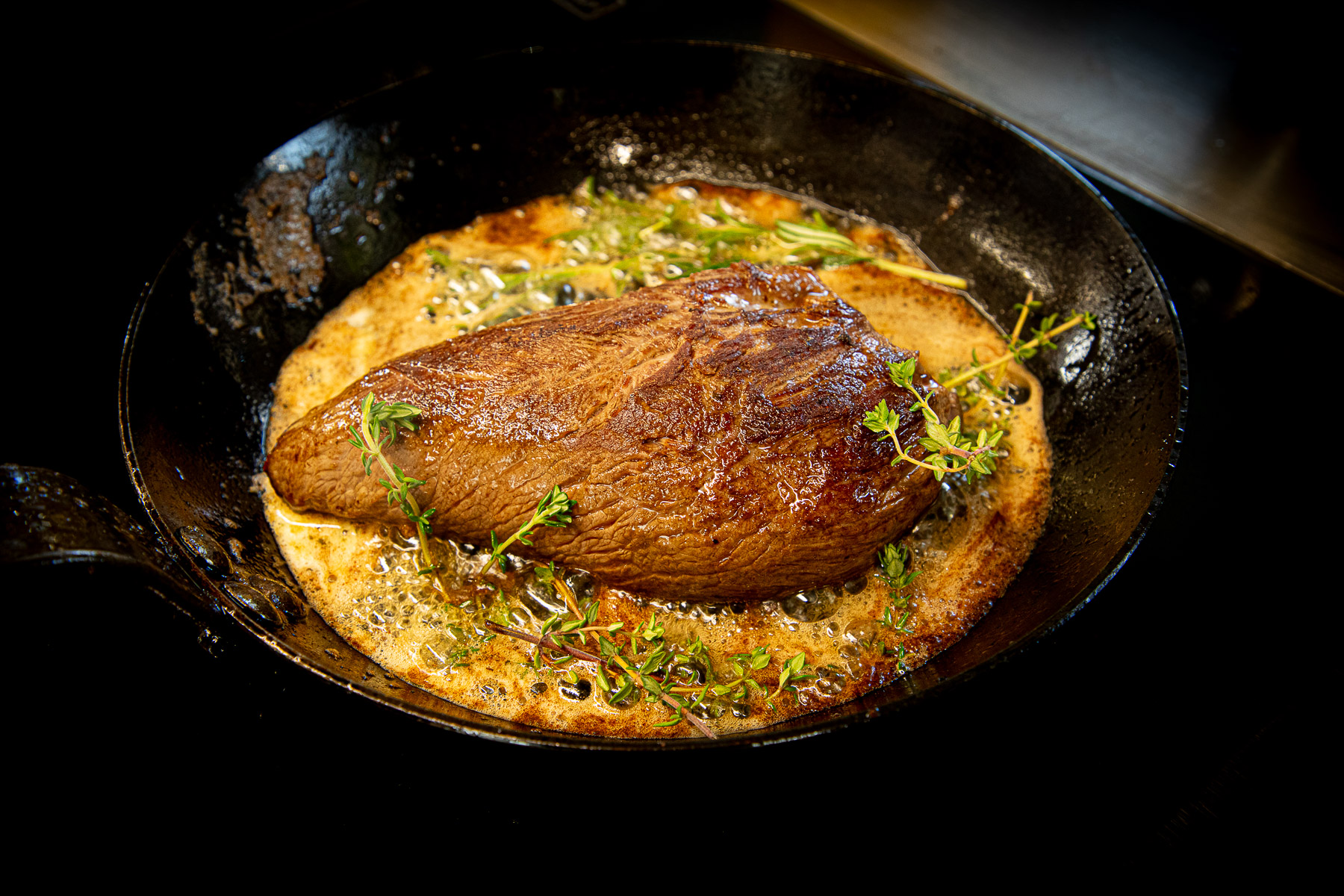
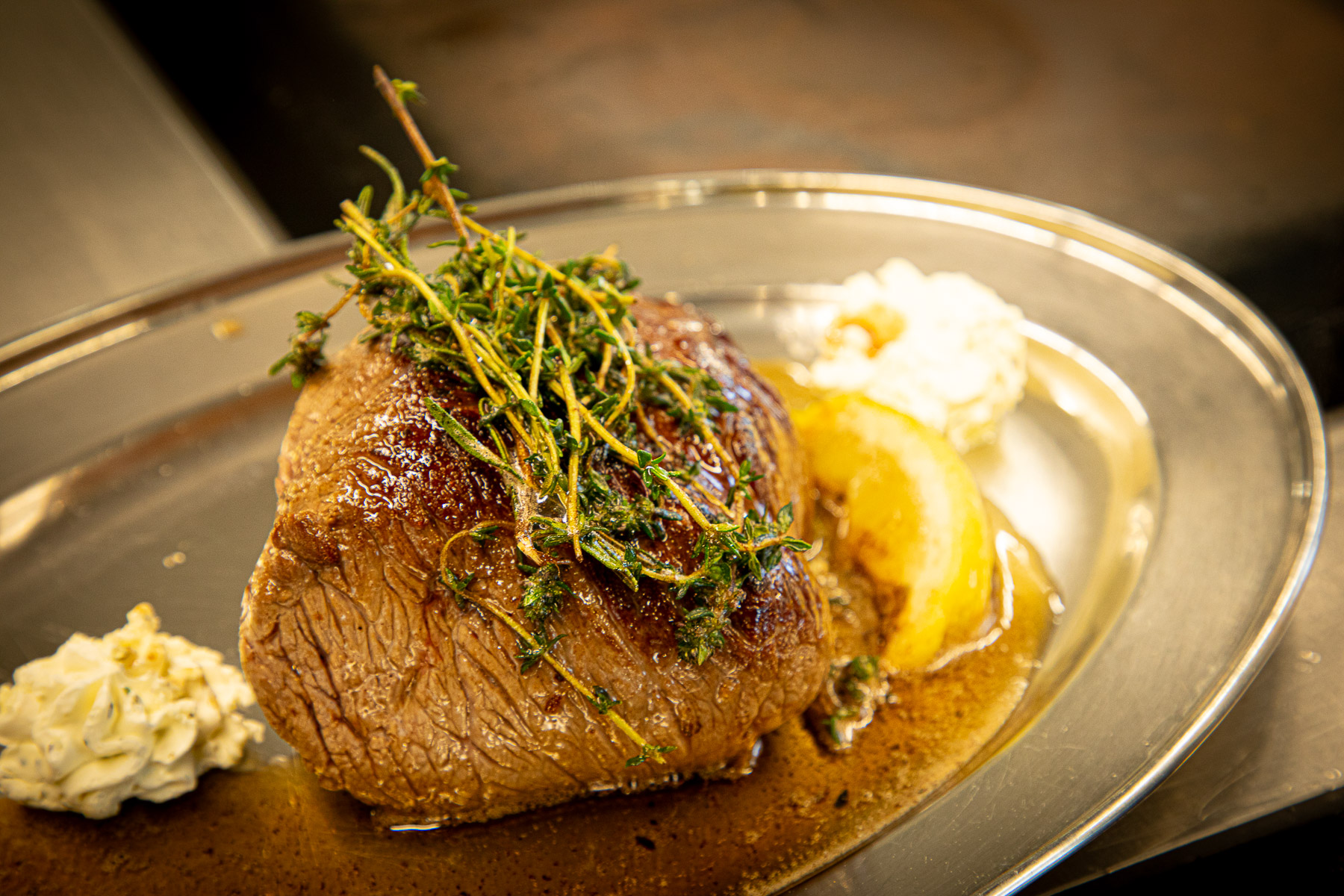
Pat the meat dry and season with salt and pepper. Melt the butter in a large pan. Add the thyme sprigs and lemon zest. Sear the meat over medium-high heat for approximately 4-5 minutes per side, basting regularly with the flavored butter. Then place in the oven at 80 degrees for about 1 hour, depending on the thickness of the rump cap, until the desired core temperature is reached.
Important:
For a perfect medium-rare result, the internal temperature should reach approximately 55-57°C (131-135°F). It is best checked using a meat thermometer.
Rest and slice the meat:
Remove the meat from the pan and let it rest for about 5 minutes so the juices can redistribute. Then slice thinly before serving.
Nice to know: Venison has a long tradition in European cuisine and has been considered a noble game meat for centuries. During the Middle Ages, venison was highly valued at royal and aristocratic banquets, as hunting rights were often reserved for nobility. Today, venison remains one of the most popular game meats, especially during the autumn and winter seasons.
Culinarily, venison is known for its delicate and aromatic game flavor. Compared to other game meats such as roe deer or chamois, its taste is generally milder and more balanced. It is also very lean, high in protein, and contains very little intramuscular fat, making gentle cooking methods especially important.
Popular cuts:
Venison loin → exceptionally tender, ideal for quick cooking
Venison entrecôte or picanha → flavorful and juicy
Venison rump → fine texture and versatile
Venison stew meat or shoulder → perfect for slow cooking and braising
Traditional pairings in game cuisine include cranberries, red wine, mushrooms, chestnuts, Brussels sprouts, and seasonal sides such as asparagus. Herbs like thyme, rosemary, juniper berries, and mint also complement venison exceptionally well.
Interesting fact: A deer’s natural diet directly influences the flavor of its meat. Since deer feed on herbs, grasses, young shoots, buds, and forest fruits, the meat often develops subtle herbal and woodland notes that are rarely found in farm-raised meat.